
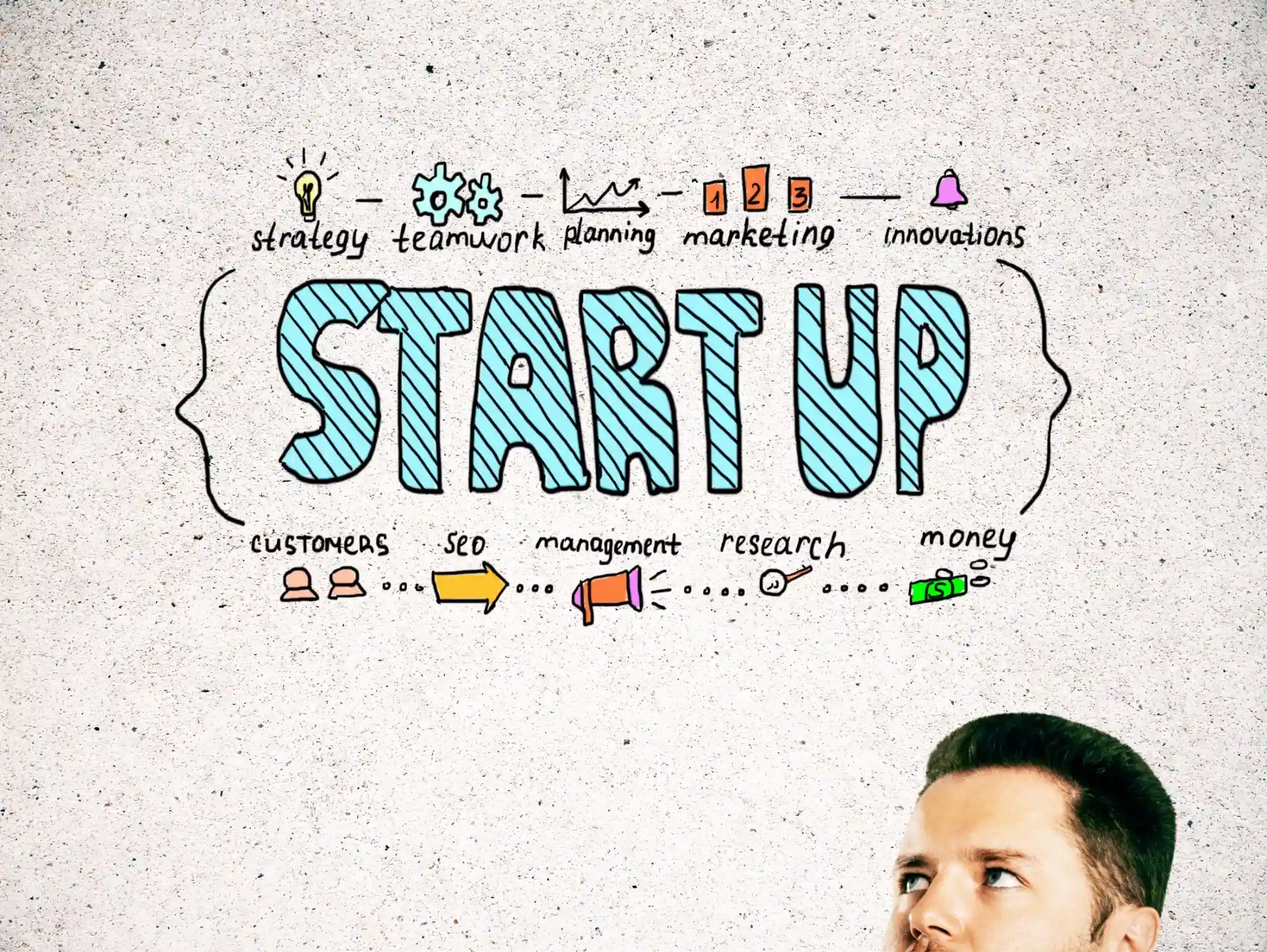
Startup Growth Strategy vs Traditional Business Marketing
In today’s fast-paced business environment, understanding the nuances between startup growth strategies and traditional marketing is crucial for any entrepreneur. Startups often find themselves at a crossroads, grappling with the need to grow rapidly while navigating the complexities of marketing in a crowded landscape. This blog aims to shed light on the fundamental differences between these two approaches, providing a roadmap for startups eager to carve out their niche and achieve lasting success.
Defining Startup Growth Strategies
What Constitutes Startup Growth?
Startup growth is more than just increasing sales; it embodies the process of scaling a business sustainably. At its core, startup growth revolves around expanding the customer base, enhancing product offerings, and increasing market share. Key metrics such as customer acquisition costs, lifetime value, and churn rates serve as vital indicators that determine a startup's health and growth potential.
For startups, growth is often about agility and innovation. Unlike established businesses, startups have the unique advantage of being able to pivot quickly in response to market feedback. This flexibility allows them to experiment with new ideas, iterate on products, and adapt their strategies to meet evolving consumer needs. The ability to embrace change is essential for startups aiming to establish themselves in competitive markets.
Types of Startup Growth Strategies
There are several growth strategies that startups can employ, each tailored to specific market conditions and business goals. The concept of product-market fit is paramount; it involves aligning the product with market demand to ensure that customers see real value. This might mean fine-tuning features based on user feedback or altering marketing messages to better resonate with the target audience.
Moreover, startups often rely on customer acquisition strategies that emphasize digital channels, social media engagement, and content marketing. These methods allow them to reach potential customers effectively and efficiently. Utilizing data analytics, startups can track performance metrics and refine their approaches in real time, ensuring that they stay ahead of the competition.
Understanding Traditional Business Marketing
Core Principles of Traditional Marketing
Traditional marketing refers to established methods of promoting products and services that have been used for decades. This approach emphasizes brand awareness, customer loyalty, and the establishment of a strong market presence. The core principles of traditional marketing revolve around understanding target demographics, creating compelling messages, and delivering them through appropriate channels.
For many businesses, traditional marketing remains a cornerstone of their promotional efforts. This method relies on the familiarity of established practices, such as advertisements in print media, radio, and television. While these methods may seem outdated to some, they continue to play a significant role in building brand credibility and fostering trust among consumers.
Techniques and Channels Used in Traditional Marketing
Traditional marketing employs a variety of techniques and channels to reach its audience. Print media remains a powerful tool, with newspapers and magazines providing valuable exposure for brands. Television commercials can create a lasting impression and generate significant reach, especially for products targeting a broad audience.
Direct mail campaigns and flyers are also employed to engage local customers, creating a personal touch that digital methods sometimes lack. While traditional marketing channels may not offer the same level of targeting as digital platforms, they can effectively boost brand recognition and establish a strong presence in the marketplace.
Key Differences Between Startup Growth and Traditional Marketing
Objectives and Focus Areas
The objectives of startup growth strategies and traditional marketing tactics differ significantly. Startup growth focuses on rapid scalability and market penetration, aiming to build a robust customer base quickly. The emphasis is often on innovation, agility, and the ability to adapt to feedback and changing market conditions.
In contrast, traditional marketing prioritizes brand loyalty and long-term customer relationships. The goal is to establish a recognizable brand that resonates with consumers over time. While traditional marketing may involve slower, more methodical approaches, its strength lies in building a strong foundation that can support sustained growth.
Target Audience and Market Understanding
Startups typically have a different approach to identifying and engaging their target audience compared to traditional businesses. In the fast-paced world of startups, understanding the target market is crucial for crafting effective growth strategies. Startups often rely on data-driven insights and customer feedback loops to refine their approaches and ensure that they are meeting real needs.
Traditional businesses, on the other hand, may rely more on historical data and established customer profiles. While this approach can provide valuable insights, it may not always account for rapidly changing consumer preferences. Startups must embrace a mindset of experimentation, using feedback to iterate on their products and marketing strategies continuously.
Advantages and Disadvantages of Each Approach
Pros and Cons of Startup Growth Strategies
One of the most significant advantages of startup growth strategies is their inherent flexibility. Startups can pivot quickly in response to market feedback, allowing them to innovate and adapt more easily than traditional businesses. This agility can lead to rapid customer acquisition and a strong market presence.
However, the challenges are equally pronounced. Startups often face resource constraints, making it difficult to implement comprehensive growth strategies. The pressure to scale quickly can also lead to missteps, such as overextending resources or losing sight of core values. Therefore, while startup growth strategies can yield impressive results, they must be executed with caution and clarity.
Benefits and Limitations of Traditional Marketing
Traditional marketing offers several advantages, including established credibility and brand recognition. Consumers often trust brands that have a long-standing presence in the market, making traditional marketing a valuable tool for building trust and loyalty. Additionally, traditional marketing channels can effectively reach demographics that may not be as active on digital platforms.
However, traditional marketing also has its limitations. It often lacks the agility and precision of digital marketing, making it more challenging to measure ROI and adjust strategies in real time. Furthermore, the rising prominence of digital channels has compelled many businesses to reassess their marketing strategies, as consumers increasingly shift their attention online.
Integrating Startup Growth with Traditional Marketing
Creating a Hybrid Strategy
In an increasingly competitive landscape, startups can benefit from integrating both growth strategies and traditional marketing into a cohesive approach. A hybrid strategy allows startups to leverage the strengths of both methods, creating a well-rounded marketing plan that resonates with diverse audiences.
For example, a startup might use social media advertising to drive immediate customer engagement while simultaneously running a traditional print campaign to establish brand credibility. By combining the agility of startup growth strategies with the trustworthiness of traditional marketing, businesses can create a powerful marketing engine that propels them forward.
Measuring Success Across Strategies
To maximize the effectiveness of both startup growth strategies and traditional marketing efforts, it’s crucial to measure success accurately. Key performance indicators (KPIs) play a vital role in assessing the impact of each strategy. For startup growth, metrics such as customer acquisition cost, conversion rates, and customer lifetime value are essential for evaluating performance.
For traditional marketing, metrics like brand awareness, customer retention rates, and overall sales growth can offer valuable insights. Employing a combination of both sets of metrics allows businesses to assess the effectiveness of their integrated strategies and make informed decisions moving forward.
Conclusion
Navigating the complexities of startup growth strategies and traditional marketing requires a nuanced understanding of both approaches. While startups must prioritize rapid growth and innovation, they can also benefit from the established principles of traditional marketing. By integrating both strategies, startups can create a balanced approach that fosters sustainable growth and builds lasting relationships with customers. In this ever-evolving business landscape, embracing the strengths of both methods will empower startups to thrive and carve out their unique space in the market.
FAQs
What distinguishes startup growth strategies from traditional marketing?
Startup growth strategies focus on rapid scalability and innovation, while traditional marketing emphasizes brand loyalty and long-term customer relationships.
How can startups effectively measure growth?
Startups can measure growth through key metrics like customer acquisition costs, lifetime value, and churn rates, which provide valuable insights into business performance.
What are some common challenges startups face with growth strategies?
Startups often encounter resource constraints, the pressure to scale quickly, and the risk of losing sight of core values when implementing growth strategies.
Can traditional marketing still be relevant for startups?
Yes, traditional marketing can enhance brand credibility and customer trust, making it a valuable component of a comprehensive marketing strategy for startups.
How can startups create a hybrid marketing strategy?
By combining agile growth strategies with traditional marketing principles, startups can leverage the strengths of both approaches to reach diverse audiences and foster lasting relationships.
All Categories
Recent Posts

How Home Selling Services Make Selling Your Home Easier

Subscription Business Model: Roadmap to Recurring Revenue